


Oil is the most important commodity in the world because pretty much everything runs on it. So it is not presumptuous to assume that the market is efficient. Well, I’m going to just say it: it is the most inefficient market today.
How so?
In a normal oil market, production outages (i.e. production shut-in) are barrels lost that can only be offset by demand destruction. No, not lower crude imports because that just drains crude oil inventories. No, not lower refinery throughput, because that just drains refined product storage. Demand destruction: end-user demand falls. Lower demand, lower global economic activity figures, lower mobility data, fewer flights, less traffic; you know, the stuff that actually tells you whether less fuel is being consumed or not.
COVID taught all the oil watchers one important thing: mobility indices. It’s pretty intuitive. To gauge whether oil demand was recovering, we just had to watch traffic, flight numbers, etc. Do we have similar demand destruction today?
No, not even remotely close to 10 million b/d.
So how is it that the oil market has convinced everyone that with each passing day, only escalation will push oil prices higher, and not just the production shut-in that should, in theory?
This is Pavlov’s oil market.
Pavlov’s Dog
Ivan Petrovich Pavlov was a Russian/Soviet experimental neurologist and physiologist known for his experiments with dogs. His experiment with dogs can be best summarized by this graph below:
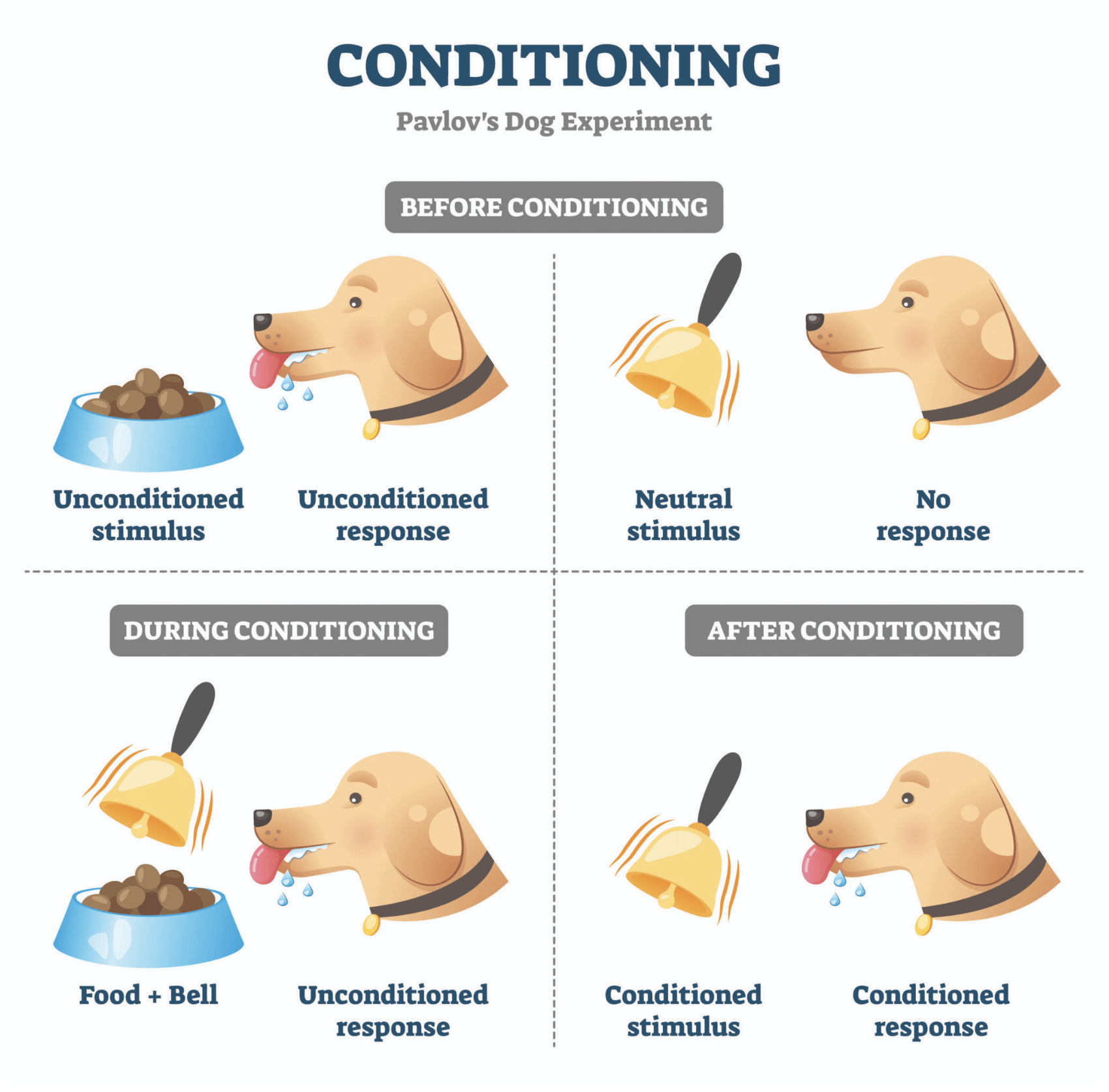
In essence, if you train the dog to associate the neutral stimulus with food, the post-conditioned dog would associate the stimulus with food. Even without food present, the conditioned response would still show up.
Scott Bessent, the current US Secretary of the Treasury, used to be a hedge fund manager and worked under George Soros. To say that he understands the markets well would be an understatement. He knows that in a commodity like oil, price is king, and if traders get conditioned to think prices should gradually rise because we are losing 10 to 13 million b/d of crude oil production every day, people will panic, hoard crude, and drive prices higher.
The faster oil prices rise, the greater the economic pressure on the US, and the faster Trump would have to choose between a binary event: rapid escalation or full-on capitulation.
Clearly, it is not in the US national security interest for crude oil prices to go up. At the end of the day, even if we have a stupendously tight product market, product prices are still benchmarked to crude, so if you successfully suppress crude, you are suppressing product prices.