

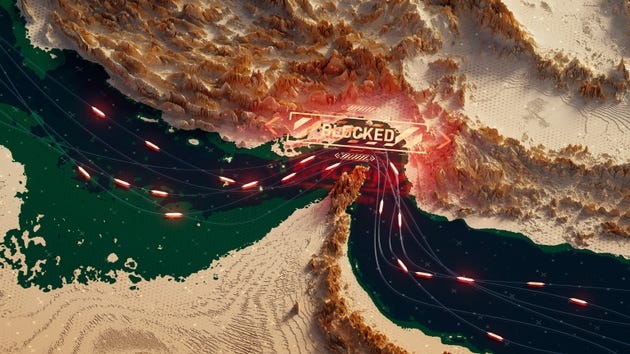
On Sept 28, I wrote an article titled, “The Oman Lane Flow Is Giving The Oil Market A False Sense Of Stability.” Market participants began pointing out that Oman Lane flow was reaching “pre-war” levels. Instead of asking why oil prices remained so elevated or why the physical market remained in distress, most market participants attributed elevated oil prices to persistent tanker-attack risks.
That was the wrong read.
To add salt to the wound, I think the worst market take so far this year is that Iran is losing control because transit flows increased. Never mind the fact that China intervened to allow the Saudis to export more barrels from the East, but this diplomatic intervention somehow translating into a loss of control by Iran is beyond me.
What’s clear from the geopolitical developments over the past week is that control is being “reasserted” in the Strait of Hormuz. OSINT accounts point to a significant increase in tanker attacks. In fact, UKMTO reported that since the beginning of October, 10 tankers have been attacked.
More importantly, if you pay attention to the tanker market, old VLCCs have seen a material price increase. Why? Countries like the UAE are buying old tankers and hoping to use them for the shuttle runs. In the event of an attack, cheaper and older tankers can be discarded, while the new ones will be reserved for longer hauls.
But what’s clear from this phenomenon is that it’s unsustainable. Iran is escalating the tanker attacks, which will bleed the available fleet dry. Based on preliminary Kpler data and loading, it is clear to me that we’ve already seen peak Hormuz.