

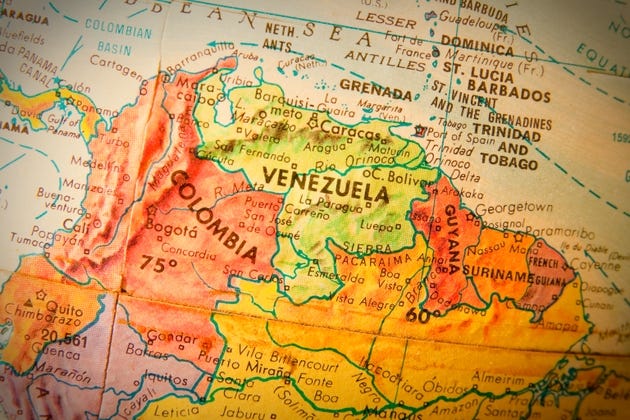
Since the start of 2026, I have written numerous times on the golden opportunities we are seeing in Colombia and Venezuela.
At the start of the year, the geopolitical scene was taken by surprise by the capture of Nicolás Maduro, Venezuela’s former president. Immediately following the news, I wrote a piece titled, “Venezuela Regime Change And The Impact On The Oil Market.”
This was followed by a piece a month later titled, “Venezuela’s Energy Sector Resurgence Is Happening Fast And The Investment Opportunities,” where I explained how the incoming law changes are very favorable for outside producers willing to take a chance on Venezuela.
Fast-forwarding to today, President Trump announced that the US has agreed to a deal with Venezuela on certain producing blocks.
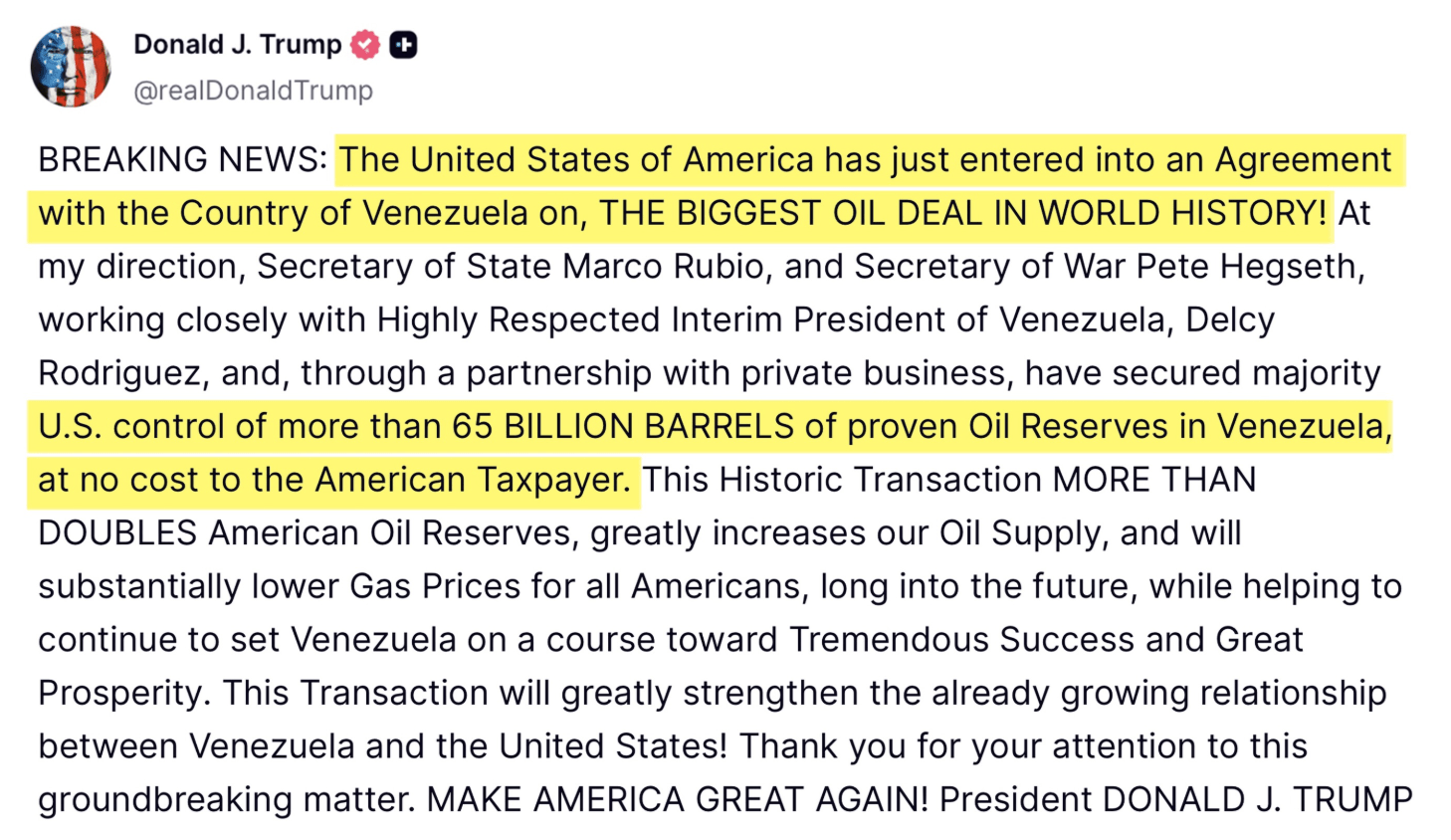
The details haven’t been revealed yet, but based on recent press releases, some major players are about to get sizable producing blocks back (Chevron will be the most obvious first candidate).
Moving to Colombia, President Espriella took office on August 7, and he did not waste any time changing the makeup of Ecopetrol. The Ministry of Finance has called for an extraordinary shareholder meeting on September 15, and after an expected change to the corporate bylaws, Espriella will be able to nominate 6 additional board members, giving him total control of the board.
As the Ministry of Finance said in a post:
The National Government will present a slate of 9 names for the Board of Directors of Ecopetrol, with a clear mandate: produce more, regain trust, and advance the energy transition.
In order to achieve this mandate, Ecopetrol will need outside capital to 1) boost legacy oilfields, 2) unlock new reserves, and 3) improve efficiency. This wouldn’t be possible on its own, so this is essentially a call on independent producers to step into the fold.
Geopolitically speaking, Colombia and Venezuela are two of the more underappreciated areas in the energy sector (still).